
 Live Radio
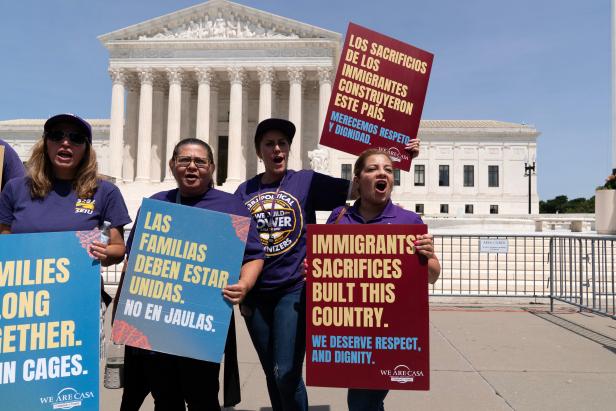 photo credit: AP Photo/Jose Luis Magana
Activists celebrate the Supreme Court's birthright citizenship ruling outside of the Supreme Court on Capitol Hill, Tuesday, June 30, 2026, in Washington.
The U.S. Supreme Court ruled on June 30 to uphold birthright citizenship on constitutional grounds, rejecting President Donald Trump's effort to limit the longstanding right.
The 6-3 decision affirms more than a century of legal precedent interpreting the 14th Amendment's Citizenship Clause.
Supporters of the ruling say it upholds the Constitution's plain language and longstanding legal precedent.
Dissenters argue the 14th Amendment was intended to apply only to formerly enslaved people and their descendants.
KRCB's Shandra Back speaks with Nicole Gorney, supervising attorney at VIDAS in Santa Rosa, about what the decision means on a local level.
KRCB: I'm wondering if it surprised you that the case was even brought in front of the Supreme Court.
GORNEY: Surprising, but I guess not for this administration, which thinks they control the Supreme Court. I'm surprised by a lot of the cases this administration can get in front of the Supreme Court, especially this one because it's something that's already been long decided. It was trying to undo over 100 years of legal precedent.
KRCB: Did the ruling that came out today surprise you—that they sided with upholding birthright citizenship?
GORNEY: After listening to the oral arguments, today's decision was how I thought it would go. I'm not surprised at the decision, but I am surprised there were three dissenters.
KRCB: Did you and your team have conversations about this?
GORNEY: We've been preparing for all the decisions we were waiting for before the end of this term. This was the one we felt the best about—that we would prevail. We felt confident about today's decision.
KRCB: Did you have people coming in to ask about it, any clients who were worried?
GORNEY: Not yet but this was definitely something people were worried about as soon as Trump was voted back into office. This executive order was something he signed on Day One, and it was definitely top of mind as soon as this administration restarted.
KRCB: Do you think this is the end of the conversation on birthright citizenship now that the Supreme Court has ruled to uphold it?
GORNEY: No. Especially because this was one of his big campaign promises, I don't think it's over for him.
KRCB: Do you have any other thoughts or reactions to the ruling?
GORNEY: What was so different about these oral arguments was that it was the first time a sitting president attended oral arguments. I think it's a really good reminder that, in spite of all the other decisions we've gotten, he does not control the Supreme Court.

 NPR
NPR Spotify